
A good book can take you a long way in Turkish, and the wrong one can make you quit. Here are the 13 books I’d actually recommend, grouped by level and by what you need: a course, a textbook, grammar, or something easy to read.
Students ask me about books all the time. Usually after buying three of them and finishing none 😅
Most of the time, the trouble is a book that doesn’t match your level or the way you like to learn. A grammar reference is great when you have a question, and painful as your main course. A Turkish-only school textbook is great with a teacher, and frustrating on your own.
So here’s a simple guide: which book for which situation.
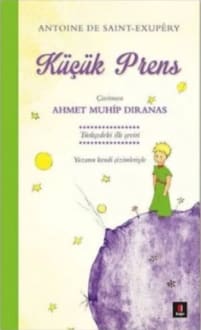
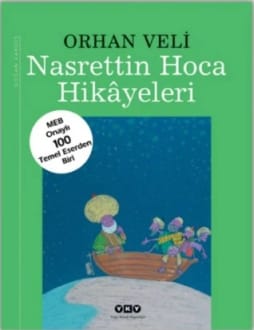
The short answer: for self-study beginners, the best books are Complete Turkish (Pollard) and Elementary Turkish (Öztopçu). If you have a teacher or take a course in Türkiye, use a school series like Yeni İstanbul or Yedi İklim. For grammar, Turkish Grammar in Practice (exercises) and Turkish: An Essential Grammar (reference). For easy reading, Short Stories in Turkish for Beginners, and for your first real books in Turkish, Küçük Prens or Nasrettin Hoca stories. Pick one main book, and add the others only when you need them.
On this page
- The best Turkish books at a glance
- Which book should you start with?
- Self-study courses for beginners
- Textbooks used in Türkiye (best with a teacher)
- Grammar books
- Easy reading and your first books in Turkish
- How to use a Turkish textbook so it actually works
- What about free Turkish book PDFs?
- Books or an online course?
- Where Turkishle fits
- Frequently asked questions
- The bottom line
The best Turkish books at a glance
Level ranges are approximate.
Which book should you start with?
Self-study courses for beginners
These are written in English, explain everything, and come with audio. The best choice if you’re learning on your own.
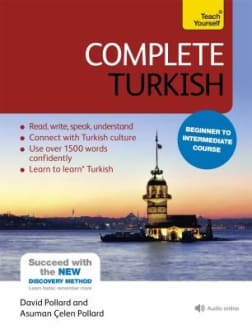
1. Complete Turkish
2. Elementary Turkish
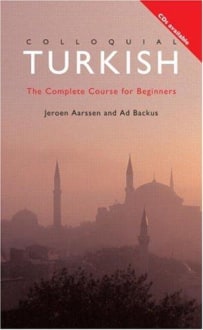
3. Colloquial Turkish
Textbooks used in Türkiye (best with a teacher)
These are the series Turkish language schools and universities use. They’re written almost entirely in Turkish, which is great for immersion and hard on your own.
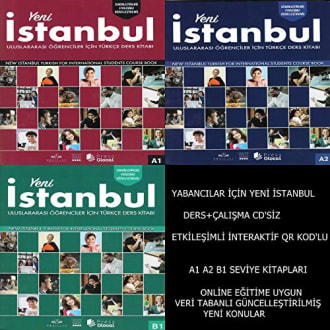
4. Yeni İstanbul
5. Yedi İklim
Grammar books
Grammar books work best next to a course: use them when something doesn’t make sense, or to practise a topic.
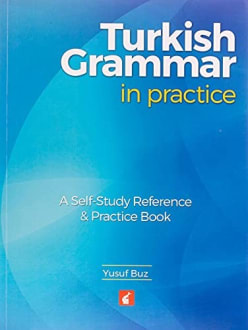
6. Turkish Grammar in Practice
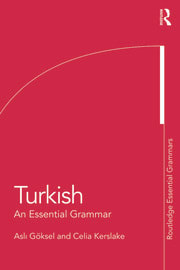
7. Turkish: An Essential Grammar
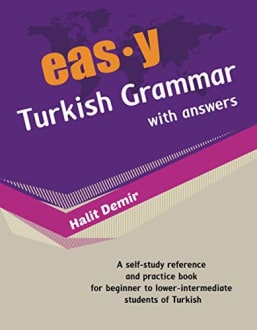
8. Easy Turkish Grammar with Answers
Easy reading and your first books in Turkish
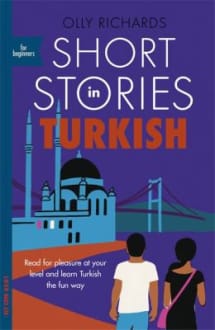
9. Short Stories in Turkish for Beginners
Once you’re around A2 to B1, real books in Turkish are the best next step. These are the ones I recommend most:
More reading ideas: other graded readers for learners, children’s books in Turkish, and, at B1 and above, Turkish novels you already know in English.
How to use a Turkish textbook so it actually works
- Pick one main book. Finish it. Add others only for specific needs.
- Use the audio every time. Read along, then listen without the text. Your ears matter as much as your eyes.
- Say everything out loud. Dialogues, examples, exercises.
- Do the exercises in writing, then check the answers.
- Review before moving on. Most books have review units. Don’t skip them.
- Add listening and speaking outside the book. A book won’t train your ears for natural-speed Turkish on its own.
Not sure which level book you need? Take our free Turkish level test, then see what each level means.
What about free Turkish book PDFs?
People search for free PDFs of these books a lot. Most of the files floating around are pirated copies, often with the audio missing, which you need for a language book.
There are good legal free options instead: the Yunus Emre Institute’s free online materials, YouTube lessons, and our free 7-Day Starter Course. Here’s a full list of the best free resources to learn Turkish.
Books or an online course?
Books are great for reading, grammar and working at your own pace. What they can’t give you is someone explaining things when you’re stuck, listening at natural speed, and feedback on your Turkish.
Many learners combine both: a course as the main path, and a grammar book or readers on the side. If you’re comparing options, here are the best online Turkish courses and the best apps.
Where Turkishle fits
If you’d like a course that explains everything step by step, in English, with Turkish teachers to ask:
- Free 7-Day Starter Course: 15-minute daily video lessons for complete beginners. No credit card needed.
- Our A1 to B2 courses: one path in the right order, short video lessons, exercises after every lesson, listening practice from slow to natural speed, and Turkish teachers who answer your questions. Lifetime access and a 365-day money-back guarantee.
Want to try Turkishle first?
Start with our free 7-Day Starter Course: 15 minutes a day, no credit card.
Frequently asked questions
What is the best book to learn Turkish for beginners?
For self-study, Complete Turkish (Pollard) or Elementary Turkish (Öztopçu). Both are written in English, explain the grammar clearly and come with audio.
What is the best Turkish grammar book?
Turkish Grammar in Practice (Yusuf Buz) for exercises, and Turkish: An Essential Grammar (Göksel and Kerslake) as a reference.
Which textbook do Turkish universities use?
Many university language centres use the Yeni İstanbul series (A1 to C1). The Yunus Emre Institute uses its own Yedi İklim series.
Can I learn Turkish with just a book?
You can get through the beginner stage with a good self-study book and its audio. Add listening practice and some speaking to go further.
Is there a good Turkish book for A1?
Yes: Complete Turkish or Elementary Turkish for self-study, or Yeni İstanbul A1 with a teacher. For reading, Short Stories in Turkish for Beginners.
Are there easy Turkish books to read?
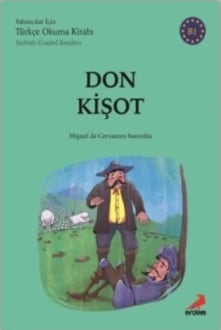
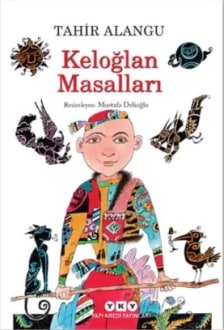
Yes. Short Stories in Turkish for Beginners is a good start. Around A2 to B1, try Küçük Prens (The Little Prince), Nasrettin Hoca Hikâyeleri, Keloğlan Masalları, or the graded reader version of Don Kişot.
The bottom line
The best Turkish book is the one that matches your level and the way you learn. For most self-study beginners, that’s Complete Turkish or Elementary Turkish. Add a grammar book when you have questions and easy readers when you want to enjoy Turkish.
Pick one, and finish it 🙂
Kolay gelsin (may it come easy).
Görüşürüz,
Can
Founder of Turkishle
